
Tour Overview
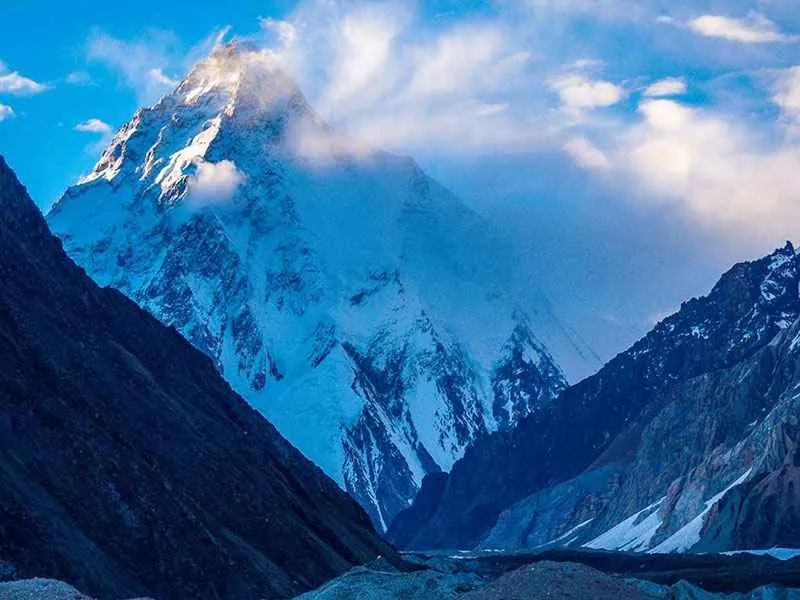
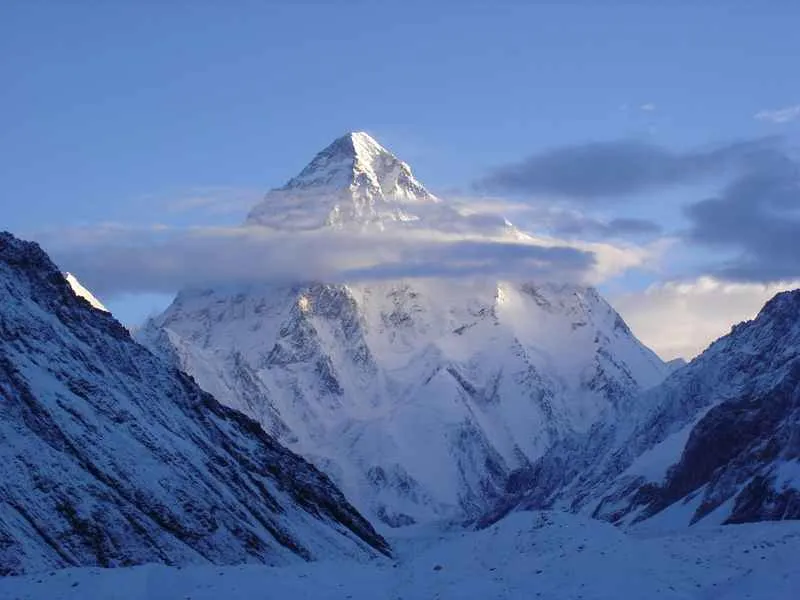
K2, also known as Mount Godwin-Austen or Chhogori, is the second-highest mountain in the world, standing tall at an elevation of 8,611 meters (28,251 feet). Located in the Karakoram Range on the border of Pakistan and China, K2 is renowned for its extraordinary beauty, immense height, and formidable climbing challenges.
Often referred to as the "Savage Mountain," K2 is notorious for its treacherous conditions and the technical difficulties faced by climbers. It is widely regarded as one of the most demanding and dangerous mountains to ascend, earning its reputation as the ultimate mountaineering challenge.
The first successful ascent of K2 occurred in 1954 by an Italian expedition led by Ardito Desio. Since then, numerous expeditions have attempted to conquer its summit, each leaving its mark on the mountain's storied history. The climb demands not only exceptional physical stamina and technical skills but also a deep understanding of the mountain's unpredictable weather and harsh environment.
K2 is renowned for its pyramid-shaped peak, which stands majestically above the surrounding glaciers and towering ridges. Its incredibly steep slopes and sheer rock faces present significant obstacles to climbers, and its remoteness adds to the sense of adventure and isolation experienced on the mountain.
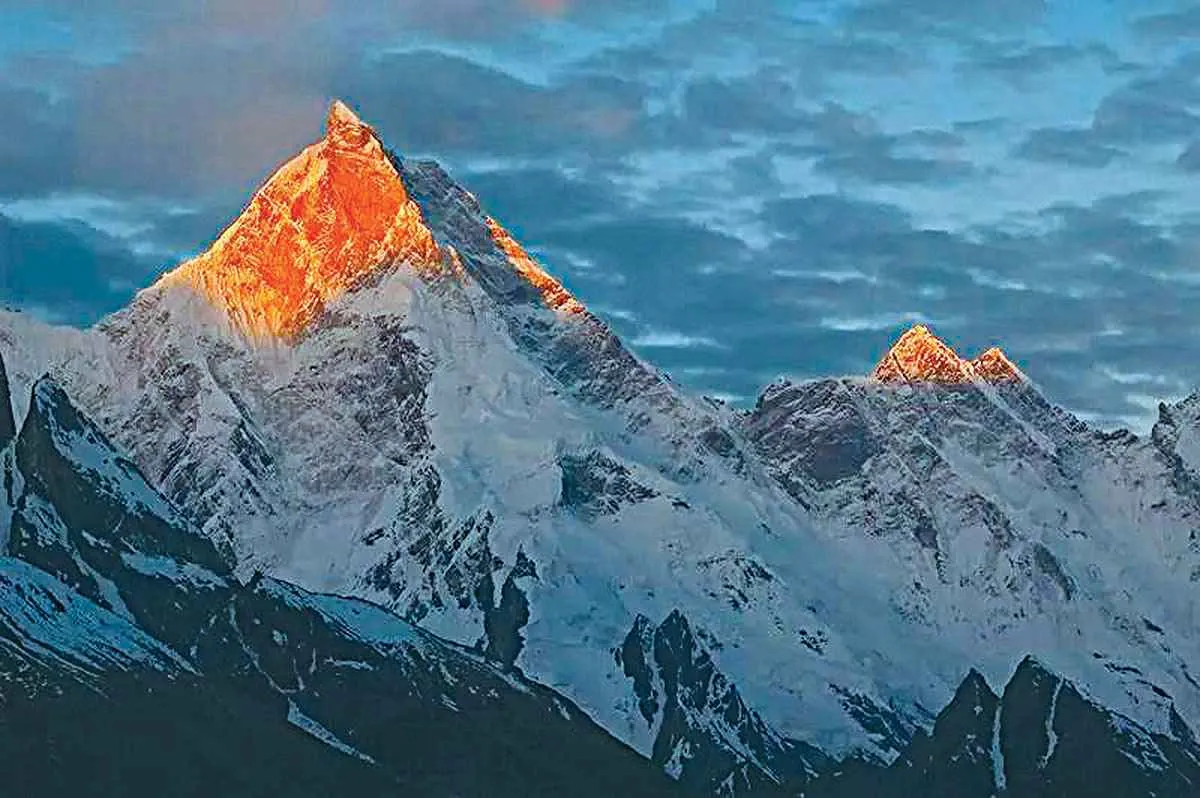
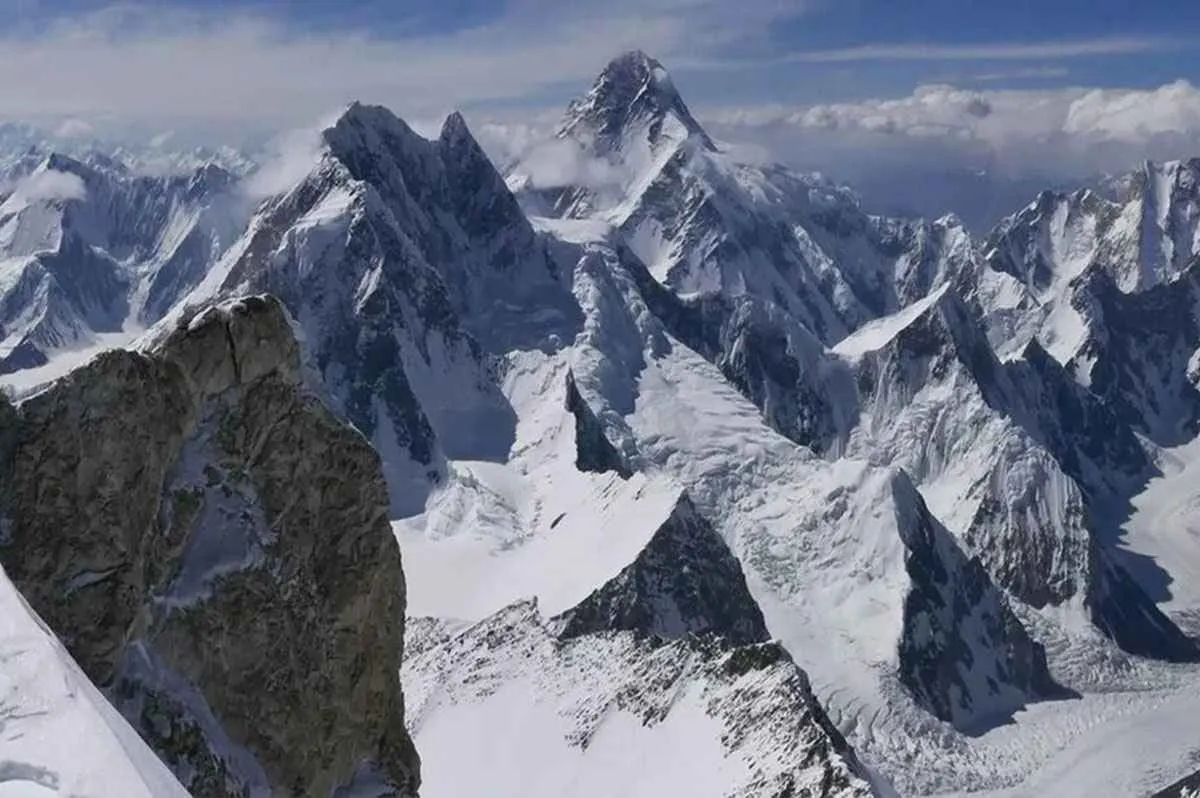
From the top of K2, climbers are rewarded with awe-inspiring views of the Karakoram Range, including neighboring peaks like Broad Peak, Gasherbrum peaks, and the elegant Gasherbrum IV. The vast glaciers, deep valleys, and jagged summits create a breathtaking panorama that captures the imagination and showcases the raw beauty of the region.
K2 holds a special place in mountaineering lore, with its sheer height and technical difficulties attracting experienced climbers from around the world. Its allure lies not only in the physical challenge it presents but also in the indomitable spirit and relentless determination required to conquer its summit.
K2 represents the pinnacle of mountaineering achievement, epitomizing the pursuit of adventure, exploration, and the unyielding human spirit. It continues to captivate the hearts and minds of those who are drawn to its majestic slopes and the ultimate quest to conquer the second-highest peak on Earth.
Difficulty
Moderate to Challenging
Duration
60 Days
Max Altitude
5,545 meters
Group Size
2-16 People
Seasonal Overview
| Season | Temperature | Conditions | Recommendation |
|---|---|---|---|
| Spring (Mar-May) | 10°C to 20°C | Mild, clear skies | Highly Recommended |
| Summer (Jun-Aug) | 15°C to 25°C | Warm, occasional rain | Moderate |
| Autumn (Sep-Nov) | 5°C to 15°C | Cool, clear skies | Highly Recommended |
| Winter (Dec-Feb) | -5°C to 10°C | Cold, possible snow | Challenging |
Best Season Details
Spring offers some of the best trekking conditions with moderate temperatures and clear skies. The rhododendron forests are in full bloom, creating spectacular displays of color throughout the valleys.
Advantages:
- Pleasant temperatures
- Stunning floral displays
- Clear mountain views
- Ideal for photography
Summer brings the monsoon season with warmer temperatures but also increased rainfall. While the trails are less crowded, the mountain views are often obscured by clouds.
Considerations:
- Fewer crowds on the trail
- Frequent rain and cloud cover
- Leeches on lower trails
- Lush green landscapes
Autumn is considered the best season for trekking with stable weather conditions, clear skies, and excellent visibility. The monsoon has cleared the atmosphere, providing stunning mountain views.
Advantages:
- Stable weather conditions
- Crystal clear mountain views
- Comfortable temperatures
- Festive atmosphere in villages
Winter trekking offers solitude and incredibly clear skies but comes with very cold temperatures, especially at higher altitudes. Proper cold-weather gear is essential.
Considerations:
- Very few trekkers
- Exceptionally clear skies
- Extremely cold temperatures
- Possible trail closures due to snow
Tour Highlights
Discover the unforgettable experiences that make this trek truly special.
Breathtaking Scenery
Culture
Tengboche Monastery
Challenging Passes
Photography Opportunities
Local Cuisine
Itinerary
Arrival Islamabad and transfer to hotel.
Welcome reception or Briefing at Ministry of Tourism.
Fly to Skardu or drive to Chilas
Day free at Skardu or drive to Skardu
Preparations (porters hiring & local purchasing).
By jeeps drive to Askole (6-7 hrs)
Trek to Julla
Trek to Paiyu
Rest day at Piayu & celebration of thanksgiving, as you will be on glacier tomorrow.
Trek to Khuburse.
Trek to Urdukas
Trek to Goro
Trek to Concordia.
Trek to k2 base camp
days reserved for climbing K2 peak.
Trek back to Concordia
trek to Ali camp.
Trek to Khuispang while climbing the Gondogoro Pass (5680m).
Trek to Saitcho
Trek to Hushe
By jeeps drive to Skardu (6-7 hrs).
Drive to Chilas
Drive to Islamabad.
Debriefing/Farewell at Ministry of Tourism.
Embark your international flight.
Services
We strive to provide comprehensive services to ensure your trekking experience is comfortable, safe, and memorable.
| Pick and drop facility-Airport/Hotel/Airport |
| 3 nights stay in Islamabad on Bed & Breakfast Basis-Twin Bedroom |
| One Welcome Dinner in a tourist standard restaurant in Islamabad with Expedition Staffs. |
| Flight for all members for Islamabad to Skardu and Skardu to Islamabad with one Guide, as per Itinerary. |
| All required Transportation for all Staffs and Members as per itinerary |
| Porters up to & back from Basecamp |
| High Altitude Climbing Sherpa: 1 Climbing Sherpa per member |
| Warm Farewell Dinner at a standard restaurant with Staff |
| International airfare to and from Islamabad. |
| Pakistan Visa Charges |
| Extra nights’ accommodation in Islamabad. In case of early arrival or late departure, early return from the expedition (due to any reason) than the scheduled itinerary |
| Rescue Evacuation: Emergency rescue evacuation cost, if needed, and all other expenses of personal nature |
| Tips for the trekking staff and guides |
| Any additional services not specified in the trek package |
Route Map
Explore the Everest Base Camp trek route with our interactive map.
Photo Gallery
Take a visual journey through the stunning landscapes of the Everest region.
Frequently Asked Questions
Find answers to common questions about the Everest Base Camp trek.
The best times for the Everest Base Camp trek are during the pre-monsoon (spring) season from March to May and the post-monsoon (autumn) season from September to November. These periods offer the most stable weather conditions, clear skies, and excellent mountain views.
Spring brings blooming rhododendrons and warmer temperatures, while autumn offers crisp air and incredible visibility. Winter (December to February) is also possible but much colder, and monsoon season (June to August) brings rain and cloudier conditions.
The Everest Base Camp trek is considered moderately challenging. While no technical climbing skills are required, you should be in good physical condition as you'll be hiking 5-7 hours per day at high altitude.
The main challenges are:
- Altitude - reaching over 5,000 meters
- Long hiking days (up to 7 hours)
- Steep ascents and descents
- Basic accommodation and facilities
With proper preparation, acclimatization, and a positive attitude, most physically fit individuals can complete this trek.